
Article

Beyond the Glasses: Why Your Annual Eye Exam Is a Health Powerhouse

November 6, 2025

When you think of visiting the eye doctor, you might picture testing your vision, picking out new frames, or updating your contact lens prescription. But at EyeCare Associates of Texas, P.A., your annual eye exam is far more than just checking whether you need new glasses. It’s a full-on health check for one of your body’s most important organs — and often the only time someone looks deep inside your eyes to assess not just vision, but overall wellness.


The Eyes: Your Windows to Health

The eye is a marvel of nature — a complex organ that allows us to see shapes, colors, light, and motion. But that complexity also means it’s connected to many other parts of your body. At EyeCare Associates of Texas, P.A., the team emphasizes the importance of regular eye exams because your eye health changes over time and can reveal silent health issues before they become serious.


Your eyes are one of the few places in your body where doctors can directly view blood vessels and nerves. That means they can often detect early warning signs of diabetes, high blood pressure, and even autoimmune diseases — sometimes before any other symptoms appear.


What Happens During a Comprehensive Eye Exam

When you come in for your annual eye exam, you’re getting much more than a simple vision test. Here’s what a typical visit looks like:


1. Pre-Exam Testing

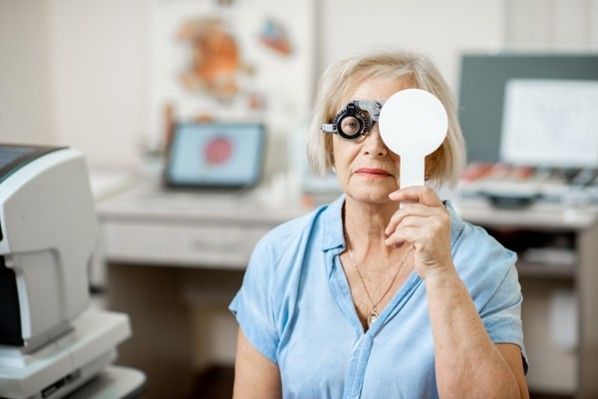
A trained ophthalmic technician reviews your medical history, measures your vision, and performs screening tests. These may include checking eye pressure to look for glaucoma and dilating your pupils so your doctor can examine the back of your eyes.


2. Dilation and Internal Eye Exam

Dilation allows your doctor to examine the retina, optic nerve, and blood vessels — areas that can reveal early signs of disease. Even if your vision seems fine, small changes may be occurring that only a professional can detect.


3. Doctor Evaluation and Discussion

After testing, one of the board-certified ophthalmologists reviews your results, explains any findings, and discusses lifestyle habits, risk factors, and next steps. This personalized approach ensures you understand your eye and overall health.


Why You Shouldn’t Wait Until You Notice a Problem

It’s easy to put off an eye exam when your vision seems clear. But many eye conditions start silently and can progress without pain or noticeable symptoms.


  • Glaucoma develops gradually and can cause irreversible vision loss if left untreated.
  • Diabetic eye disease can begin before blood sugar levels are noticeably high.
  • Macular degeneration may quietly affect your central vision long before you realize something’s wrong.


Because the eyes share blood vessels and nerves with the rest of the body, changes detected during an eye exam may also signal high cholesterol, hypertension, or diabetes. An annual visit helps catch these problems early — sometimes before your primary care provider does.


Why Choose EyeCare Associates of Texas, P.A.

At EyeCare Associates of Texas, you’re cared for by a team of specialists who combine advanced technology with compassionate, personalized care.


Their comprehensive services include:


  • Annual and comprehensive eye exams for adults and children
  • Cataract evaluation and surgery with advanced lens options
  • Glaucoma diagnosis and management using state-of-the-art technology
  • Diabetic eye disease care to monitor and preserve your sight
  • Treatment for keratoconus, dry eye, and corneal conditions


This combination of expertise, technology, and patient-centered care ensures every exam is both thorough and comfortable.


How Often Should You Have an Eye Exam?

For most adults, a comprehensive eye exam once a year is recommended. However, more frequent visits may be necessary if you:


  • Have diabetes or high blood pressure
  • Have a family history of glaucoma or macular degeneration
  • Are over age 60
  • Wear contact lenses or have had eye surgery
  • Experience sudden changes in vision, flashes, floaters, redness, or pain


If any of these apply, schedule an exam as soon as possible. Early detection can make all the difference in preserving your vision.


Everyday Habits to Protect Your Eye Health

Your daily choices play a big role in maintaining clear vision and healthy eyes. Try incorporating these simple tips into your routine:


  • Wear UV-protective sunglasses whenever you’re outdoors.
  • Eat nutrient-rich foods like leafy greens, berries, and omega-3-rich fish.
  • Follow the 20-20-20 rule for screen time: every 20 minutes, look at something 20 feet away for 20 seconds.
  • Avoid smoking, which raises your risk of cataracts and macular degeneration.
  • Manage chronic conditions — controlling blood pressure, cholesterol, and blood sugar supports overall eye health.


The Bottom Line: Eye Exams Are a Health Powerhouse

Your annual eye exam at EyeCare Associates of Texas, P.A. is so much more than a quick vision check. It’s a powerful, preventive health tool — one that helps detect hidden conditions, protect your sight, and safeguard your overall well-being.

Think of it as a wellness visit for your eyes — a small investment in lifelong vision and health.


Schedule Your Eye Exam Today

Your eyes work hard for you every day — make sure you’re giving them the care they deserve.


Contact EyeCare Associates of Texas, P.A. today to schedule your comprehensive eye exam. Their expert team is ready to help you see clearly, feel confident, and protect your vision for years to come.

share this

Related Articles

Related Articles
July 31, 2026
If you need vision correction, you might be deciding between contact lenses and glasses. Both can help you see better and make daily life easier, but each has its own pros and cons. Glasses are easy to use and don’t need much upkeep, while contact lenses give you a wider field of vision and more freedom for some activities. Knowing how contacts and glasses differ can help you pick what works best for your lifestyle, comfort, and eye health. How Do Glasses Work? Glasses are a simple and common way to fix vision problems, including nearsightedness, farsightedness, and astigmatism. Prescription lenses change how light enters your eyes so you can see more clearly. Because glasses rest on your face and not your eyes, they are easy to care for and don’t touch your eyes directly. One of the biggest advantages of glasses is that they are easy to use. You can put them on or take them off quickly, and you don’t need special cleaning solutions. When they fit well, glasses rarely cause eye irritation. Some lenses can also protect your eyes from dust, wind, and UV rays. Some people experience discomfort from frames pressing on their nose or ears, while others may find that glasses fog up, slide during exercise, or limit peripheral vision. For people with active lifestyles, glasses may sometimes feel inconvenient during sports or outdoor activities. Benefits and Drawbacks of Contact Lenses Contact lenses rest right on your eye and correct your vision without any frames. Many people like contacts because they give you a wider view and move with your eyes. This can make things like exercising, playing sports, or driving feel more comfortable. Contacts can also change how you look, since your natural features stay visible. Many people like not having to switch between different glasses or deal with frames getting in the way of their daily life. Even with these benefits, contacts need more care and responsibility. Since they touch your eyes, not cleaning or using them properly may cause infections, irritation, or discomfort. You need to clean and store them properly, replace them as your eye doctor recommends, and wear them only for as long as recommended. Some people get dry eyes or have trouble getting used to contacts. Regular eye exams help make sure your lenses fit well, and your eyes stay healthy. Contact Lenses vs. Glasses: Which Is Better for Eye Health? Both glasses and contacts are safe and work well if you use them correctly. The right choice relies on your vision, comfort, lifestyle, and how well you can care for them. Glasses are good if you want something simple and easy, while contacts are great if you want more freedom in your daily life. Remember, contact lenses are medical devices and eye care professionals should always prescribe and fit them. Using the wrong prescription, sleeping in lenses not meant for overnight wear, or not following cleaning instructions can harm your eye health. Protecting Your Vision with the Right Choice Whether you choose glasses, contact lenses, or a combination of both, periodic eye exams are important for maintaining healthy vision. An eye doctor can evaluate your eyesight, examine for changes in your eye health, and recommend the best sight correction plan for your needs. At Eye Care Associates of Texas PA , we are committed to helping patients find comfortable, effective solutions for their vision. Via comprehensive eye exams and tailored advice, our team helps you reach informed decisions about glasses, contact lenses, and long-term eye care. The right vision correction choice can help you see clearly while protecting your eye health for years to come. 
June 22, 2026
Macular degeneration is a commonly leads to vision loss, especially among people over 50. It affects the macula, which is the part of the retina that lets you see details clearly. Since the disease often develops slowly, many people do not notice any changes until it has already gotten worse. Spotting the early signs is important for protecting your vision and getting treatment in time. Knowing what to look for can help you keep your eyesight and stay independent with daily tasks such as reading, driving, and recognizing faces. What Is Macular Degeneration? Age-related macular degeneration (AMD), is an optical disease that damages the macula over time. It usually does not cause total blindness, but it can severely affect your central vision and make daily activities more difficult. There are two main types: dry AMD, which is more common and develops slowly, and wet AMD, which is rarer but can cause vision loss quickly. Early Vision Changes You Should Watch For Early symptoms of macular degeneration can be easy to miss. Still, there are warning signs you should pay attention to. These include blurry or fuzzy vision in the center of your sight, where straight lines may look bent or out of focus even if you wear glasses. You might have trouble recognizing faces unless people are very close. You may need brighter light for reading or close work, as normal lighting might not seem enough. Some people notice straight edges, like door frames or lines of text, appear wavy or uneven. You might also see dark or empty spots in the center of your vision, where a small blind spot starts to form. These changes often happen slowly, so it is easy to think they are just part of getting older or needing a new prescription. However, it is important to get checked early. Risk Factors for Macular Degeneration There are several things that can raise your risk of getting AMD. These include being over 50, having a family history of macular degeneration, smoking, high blood pressure or heart disease, and spending a lot of time in the sun without eye protection. While you cannot change your age or family history, you can lower your risk by not smoking, eating a healthy diet with leafy greens and omega-3s, and wearing sunglasses that block UV rays. Why Early Detection Matters Finding macular degeneration early lets eye doctors keep track of the disease and suggest treatments that might slow down vision loss. Sometimes, taking supplements, making lifestyle changes, or using medical treatments can help save your remaining vision. Since macular degeneration can worsen without pain or clear warning signs, periodic eye exams are among the best ways to catch it early. Eye doctors can spot small changes in your retina before you notice any vision problems, so preventive care is very important. Protecting Your Vision Long-Term If you notice any early signs of macular degeneration, do not wait to schedule an eye exam. Even small changes in your central vision should be checked right away. Protecting your vision begins with being aware, getting regular checkups, and taking care of your eyes. At Eye Care Associates of Texas PA, we are dedicated to finding macular degeneration early and providing care that fits your needs. With thorough exams and advanced technology, we help our patients keep their vision and enjoy a good quality of life for years.
UV Damage and Your Eyes: Protecting Vision in the Texas Sun
June 1, 2026
Texas’s warm climate and abundant sunshine increase the risk of eye damage from ultraviolet (UV) rays. While many protect their skin, eye protection is often...
ALL ARTICLES