
Article
Comprehensive Medical & Surgical Eye Care You Can Trust
February 1, 2026
Top-notch eye health is crucial for daily life, from reading and driving to staying active and independent. Consistent professional eye exams, early detection of changes, and prevention can help you protect your vision and put a stop to long-term problems. Take simple steps today and preserve sight for your future.
A Foundation of Comprehensive Eye Care
Each patient’s story begins with a comprehensive eye exam. These aren’t just about checking ocular clarity. Our professionals carefully study overall optical health and check for ongoing signs of disease. We focus on potential concerns before the vision is impacted. Early detection is vital to protecting eyesight. Our detailed approach lets us create individualized care plans tailored to each patient’s needs.
Advanced Ophthalmology Services
Our practice brings together ophthalmologists and optometrists, tailored to diagnosing and treating a wide variety of eye conditions. We offer coordinated care using the most up-to-date diagnostic tech and evidence-based treatment options, from common issues to complex medical concerns. Collaborative approaches ensure ongoing care quality, and the highest clinical guidelines are met.
Cataract Care with Precision and Compassion
One of the most common age-related eye conditions is cataracts. We take pride in offering advanced cataract evaluation and surgical care. Patients are carefully guided through every step of the process with our staff—from initial diagnosis and choice of lens to procedures and recovery. Using the latest surgical techniques, we strive to gain clear vision while maintaining comfort, outcomes, and most importantly - safety.
Proactive Glaucoma Management
Early detection is crucial for Glaucoma, as it often evolves without displaying notable symptoms. At EyeCare Associates of Texas, PA, we focus on early diagnosis, ongoing screening, and personalized treatment plans
to subdue glaucoma and ensure long-term vision is maintained. Slowing disease progression and preserving quality of life through consistent, proactive care are our goals.
Specialized Care for Medical Eye Conditions
We provide specialized treatment for medical eye conditions beyond routine care, such as diabetic eye disease and corneal issues, including keratoconus. Because chronic conditions require ongoing management, our team builds long-term relationships to support each patient's specific needs. Regular monitoring and advanced treatments help maintain stable vision.
When Eye Emergencies Happen
Eye emergencies can be scary and need to be addressed in a timely manner. We are licensed to study and solve urgent eye problems, helping patients receive the best type of care when it matters the most.
Our Commitment to Your Vision
At EyeCare Associates of Texas, PA, we believe the top-of-the-line eye healthcare is a joint mix of clinical expertise and genuine compassion. Depending on whether you require routine medical eye care or advanced procedure treatment, we are devoted to supporting your vision every step of the way. Your vision deserves nothing but expert care—and we value being your trusted provider of eye health for life.
share this
Related Articles
Related Articles
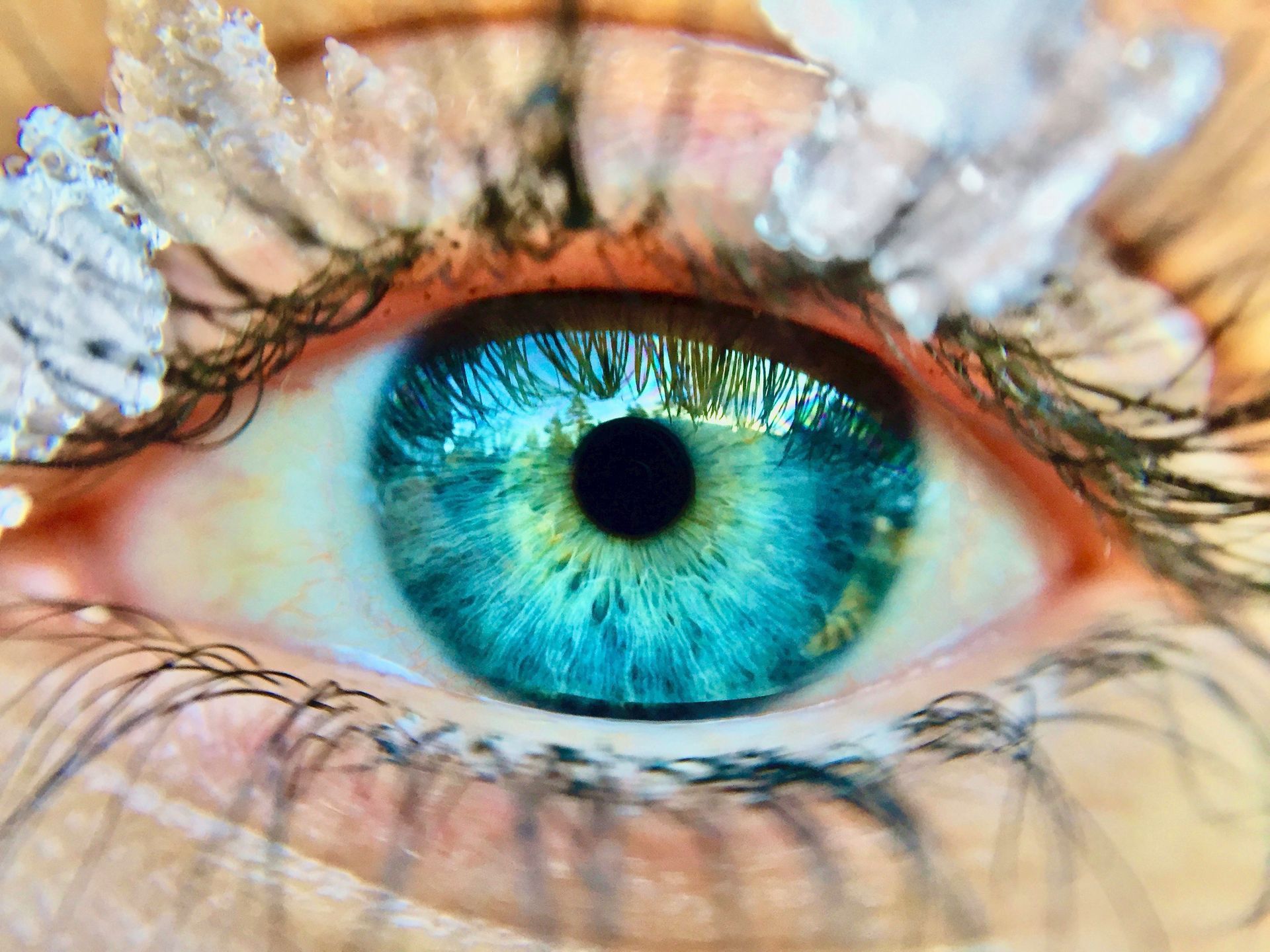
Noticing small spots, specks, lines, or flashes of light can feel worrying. Often, these symptoms are due to normal changes inside the eye. However, sometimes floaters and flashes can point to a more serious issue that needs quick attention. Learning what causes floaters and flashes, when they are harmless, and when to visit an eye doctor can help you take care of your vision and eye health. What Are Eye Floaters? Eye floaters are tiny shapes that seem to drift across your vision. They might look like dots, strings, cobwebs, or shadows. Most floaters happen because of changes in the vitreous, which is the clear, gel-like material inside your eye. As people age, the vitreous naturally turns more fluid and can pull away from the retina, which is the photosensitive layer at the back of your eyes, which has a term: posterior vitreous detachment. It is common and usually does not cause lasting vision problems. You might notice floaters more when looking at a bright background, like a clear sky or a white wall. If your floaters have stayed the same for a long time, they are usually not a reason to worry. But if you notice new or sudden floaters, it is a good idea to have an eye care professional check them. What Causes Flashes in Your Vision? Flashes of light may look like brief streaks, sparks, or flashes in your peripheral vision. They can happen when the vitreous gel inside the eye pulls on the retina. Occasional flashes can occur with normal changes in the eye, but sudden flashes may sometimes indicate a retinal tear or retinal detachment. These conditions can put your sight at risk and require urgent medical attention. Flashes can also occur with certain types of migraines, so not every flash means there is a problem with the retina. An eye doctor can determine the likely cause by examining your eyes. When Should You Be Concerned About Floaters and Flashes? If you suddenly notice new floaters or flashes, it is important to get your eyes checked quickly, especially if you have more than one symptom at once. Symptoms include a sudden increase in floaters, repeated flashes, a dark curtain or darkness over your vision, or sudden shifts or loss of vision. These symptoms could mean there is a retinal tear or detachment . Seeing an eye doctor quickly can help find and treat these problems before they cause lasting vision loss. If your symptoms start suddenly or you lose a lot of vision, do not wait for them to get better by themselves. Contact an eye care professional or get emergency eye care right away. Protecting Your Vision and Eye Health Routine eye exams are vital for maintaining your eye health. An ophthalmologist can check your retina and other parts of your eye for changes you might not notice in daily life. At Eye Care Associates of Texas PA , we are dedicated to helping you understand changes in your vision and keep your eyes healthy for the long term. If you notice new floaters, flashes, or other sudden changes in your vision , a full eye exam can help find the cause and show if you need treatment. Knowing when to get care is able to make a big difference in defending your vision.
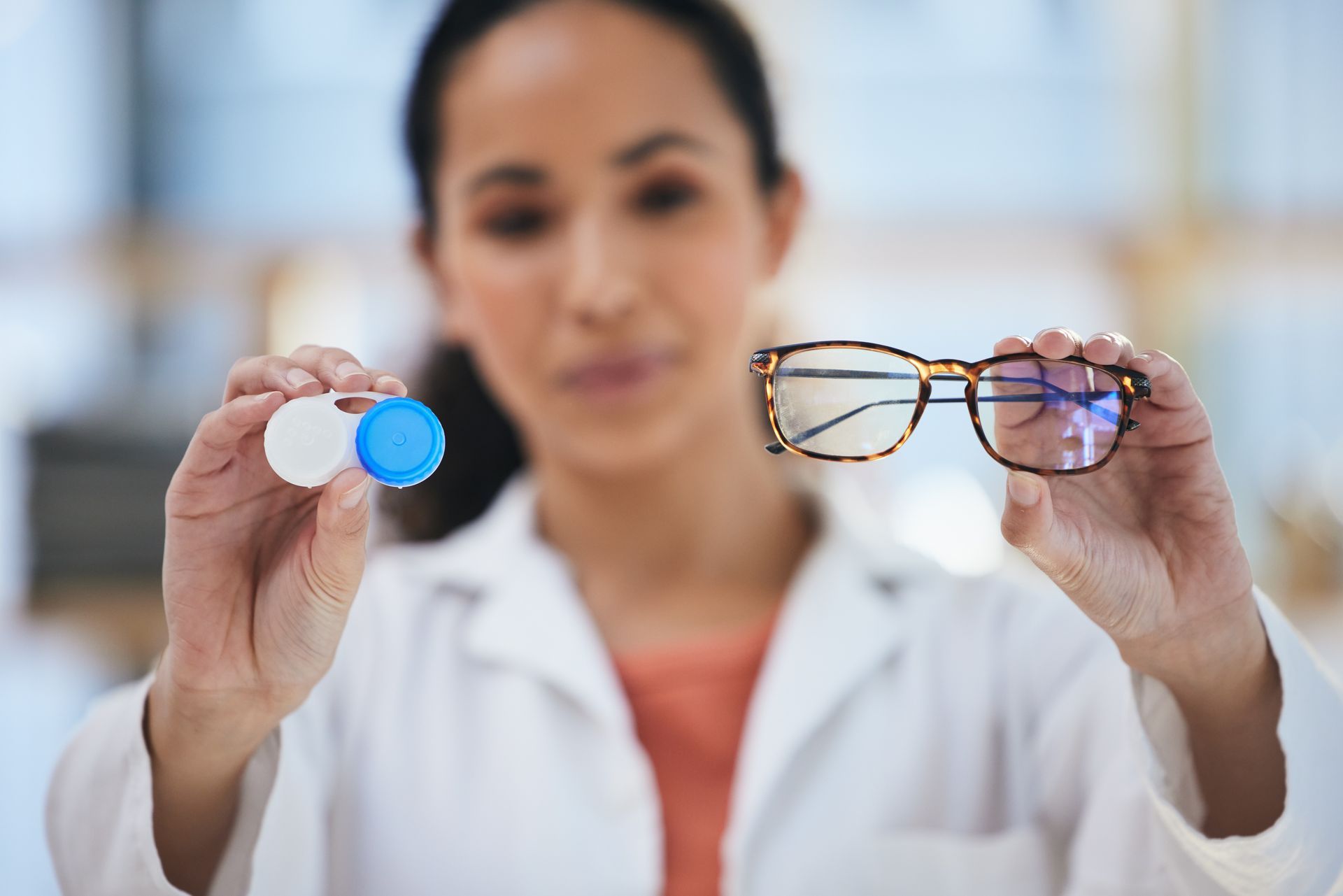
If you need vision correction, you might be deciding between contact lenses and glasses. Both can help you see better and make daily life easier, but each has its own pros and cons. Glasses are easy to use and don’t need much upkeep, while contact lenses give you a wider field of vision and more freedom for some activities. Knowing how contacts and glasses differ can help you pick what works best for your lifestyle, comfort, and eye health. How Do Glasses Work? Glasses are a simple and common way to fix vision problems, including nearsightedness, farsightedness, and astigmatism. Prescription lenses change how light enters your eyes so you can see more clearly. Because glasses rest on your face and not your eyes, they are easy to care for and don’t touch your eyes directly. One of the biggest advantages of glasses is that they are easy to use. You can put them on or take them off quickly, and you don’t need special cleaning solutions. When they fit well, glasses rarely cause eye irritation. Some lenses can also protect your eyes from dust, wind, and UV rays. Some people experience discomfort from frames pressing on their nose or ears, while others may find that glasses fog up, slide during exercise, or limit peripheral vision. For people with active lifestyles, glasses may sometimes feel inconvenient during sports or outdoor activities. Benefits and Drawbacks of Contact Lenses Contact lenses rest right on your eye and correct your vision without any frames. Many people like contacts because they give you a wider view and move with your eyes. This can make things like exercising, playing sports, or driving feel more comfortable. Contacts can also change how you look, since your natural features stay visible. Many people like not having to switch between different glasses or deal with frames getting in the way of their daily life. Even with these benefits, contacts need more care and responsibility. Since they touch your eyes, not cleaning or using them properly may cause infections, irritation, or discomfort. You need to clean and store them properly, replace them as your eye doctor recommends, and wear them only for as long as recommended. Some people get dry eyes or have trouble getting used to contacts. Regular eye exams help make sure your lenses fit well, and your eyes stay healthy. Contact Lenses vs. Glasses: Which Is Better for Eye Health? Both glasses and contacts are safe and work well if you use them correctly. The right choice relies on your vision, comfort, lifestyle, and how well you can care for them. Glasses are good if you want something simple and easy, while contacts are great if you want more freedom in your daily life. Remember, contact lenses are medical devices and eye care professionals should always prescribe and fit them. Using the wrong prescription, sleeping in lenses not meant for overnight wear, or not following cleaning instructions can harm your eye health. Protecting Your Vision with the Right Choice Whether you choose glasses, contact lenses, or a combination of both, periodic eye exams are important for maintaining healthy vision. An eye doctor can evaluate your eyesight, examine for changes in your eye health, and recommend the best sight correction plan for your needs. At Eye Care Associates of Texas PA , we are committed to helping patients find comfortable, effective solutions for their vision. Via comprehensive eye exams and tailored advice, our team helps you reach informed decisions about glasses, contact lenses, and long-term eye care. The right vision correction choice can help you see clearly while protecting your eye health for years to come.
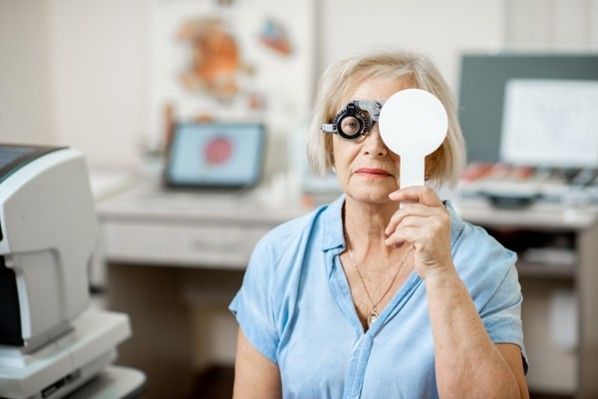
Macular degeneration is a commonly leads to vision loss, especially among people over 50. It affects the macula, which is the part of the retina that lets you see details clearly. Since the disease often develops slowly, many people do not notice any changes until it has already gotten worse. Spotting the early signs is important for protecting your vision and getting treatment in time. Knowing what to look for can help you keep your eyesight and stay independent with daily tasks such as reading, driving, and recognizing faces. What Is Macular Degeneration? Age-related macular degeneration (AMD), is an optical disease that damages the macula over time. It usually does not cause total blindness, but it can severely affect your central vision and make daily activities more difficult. There are two main types: dry AMD, which is more common and develops slowly, and wet AMD, which is rarer but can cause vision loss quickly. Early Vision Changes You Should Watch For Early symptoms of macular degeneration can be easy to miss. Still, there are warning signs you should pay attention to. These include blurry or fuzzy vision in the center of your sight, where straight lines may look bent or out of focus even if you wear glasses. You might have trouble recognizing faces unless people are very close. You may need brighter light for reading or close work, as normal lighting might not seem enough. Some people notice straight edges, like door frames or lines of text, appear wavy or uneven. You might also see dark or empty spots in the center of your vision, where a small blind spot starts to form. These changes often happen slowly, so it is easy to think they are just part of getting older or needing a new prescription. However, it is important to get checked early. Risk Factors for Macular Degeneration There are several things that can raise your risk of getting AMD. These include being over 50, having a family history of macular degeneration, smoking, high blood pressure or heart disease, and spending a lot of time in the sun without eye protection. While you cannot change your age or family history, you can lower your risk by not smoking, eating a healthy diet with leafy greens and omega-3s, and wearing sunglasses that block UV rays. Why Early Detection Matters Finding macular degeneration early lets eye doctors keep track of the disease and suggest treatments that might slow down vision loss. Sometimes, taking supplements, making lifestyle changes, or using medical treatments can help save your remaining vision. Since macular degeneration can worsen without pain or clear warning signs, periodic eye exams are among the best ways to catch it early. Eye doctors can spot small changes in your retina before you notice any vision problems, so preventive care is very important. Protecting Your Vision Long-Term If you notice any early signs of macular degeneration, do not wait to schedule an eye exam. Even small changes in your central vision should be checked right away. Protecting your vision begins with being aware, getting regular checkups, and taking care of your eyes. At Eye Care Associates of Texas PA, we are dedicated to finding macular degeneration early and providing care that fits your needs. With thorough exams and advanced technology, we help our patients keep their vision and enjoy a good quality of life for years.